Plant engineering for the food industry · since 1980
Processing plants for potatoes and vegetables
Production lines, machines and conveying technology – designed, built and automated in Bad Zwischenahn. The same plant architecture scales from 500 kg/h to 60 t/h of raw product.
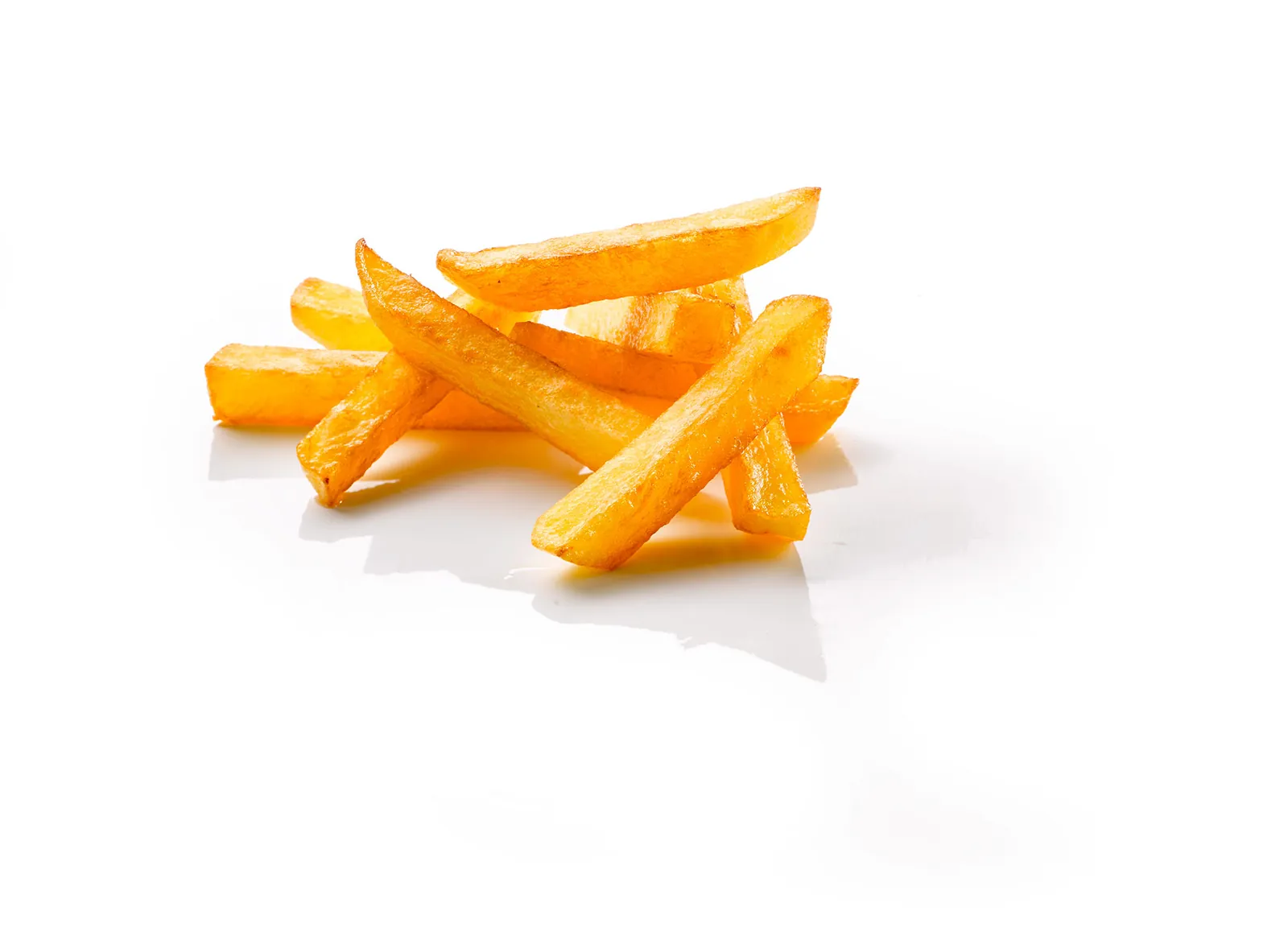
That is how many portions of fries leave an EIMA line in its largest configuration. Per hour.
Based on 60 t/h of raw product, yielding 30 t/h of finished product, at 150 g per portion.
The same architecture starts at 500 kg/h.
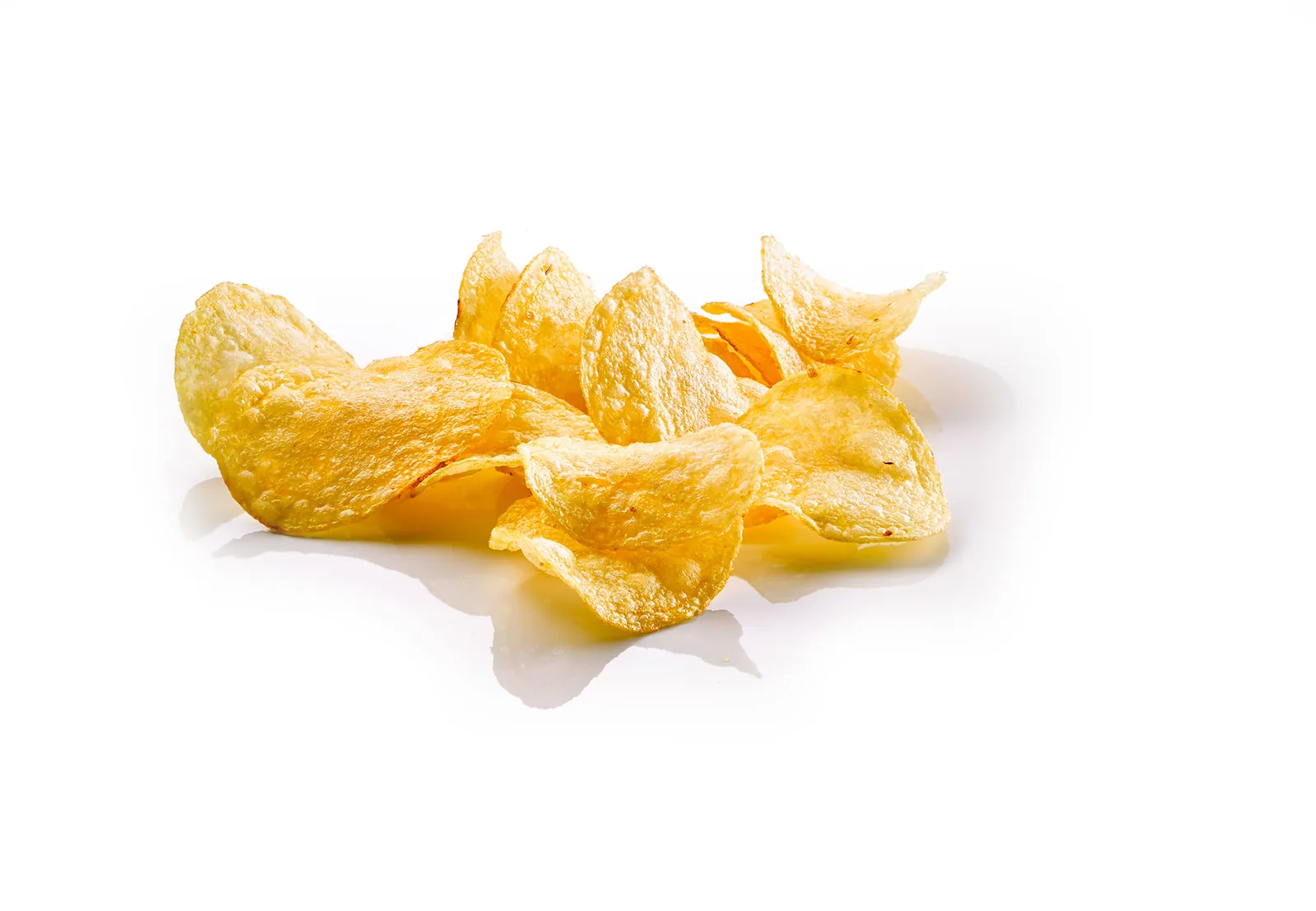
That is how many bags of crisps an EIMA chips line fills in its largest configuration. Per hour.
Based on 5 t/h of finished product from around 15 t/h of raw product, at 150 g per bag.
Chips lines start at 300 kg/h.
Your product
What should come out at the end of your line?
Plant engineers work with two figures: the product and the target output. That is what we ask about – not machine names.
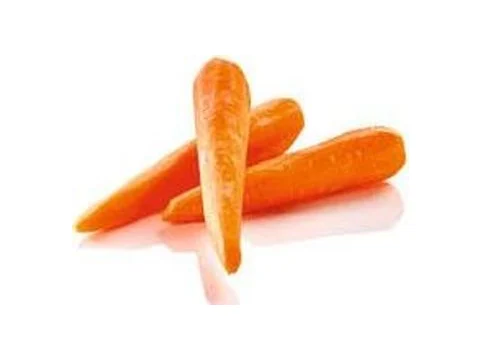
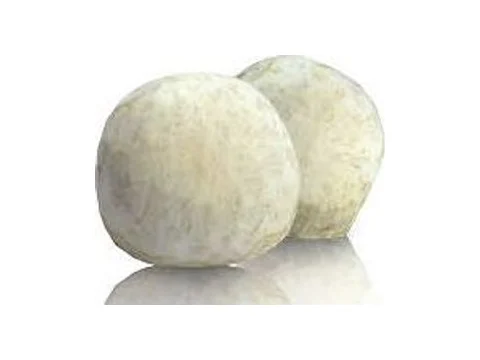
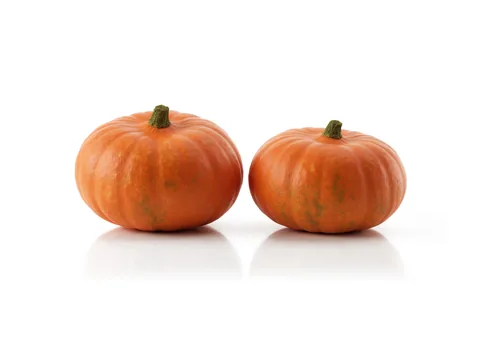
Not listed? We also build lines for beetroot, carrots, celeriac and pumpkin.
Discuss your projectThe route through the hall
Fourteen processes. Supplied individually, controlled as one.
Each step runs as a stand-alone unit and fits into existing lines. In an EIMA line, all of them work together under a common control system.
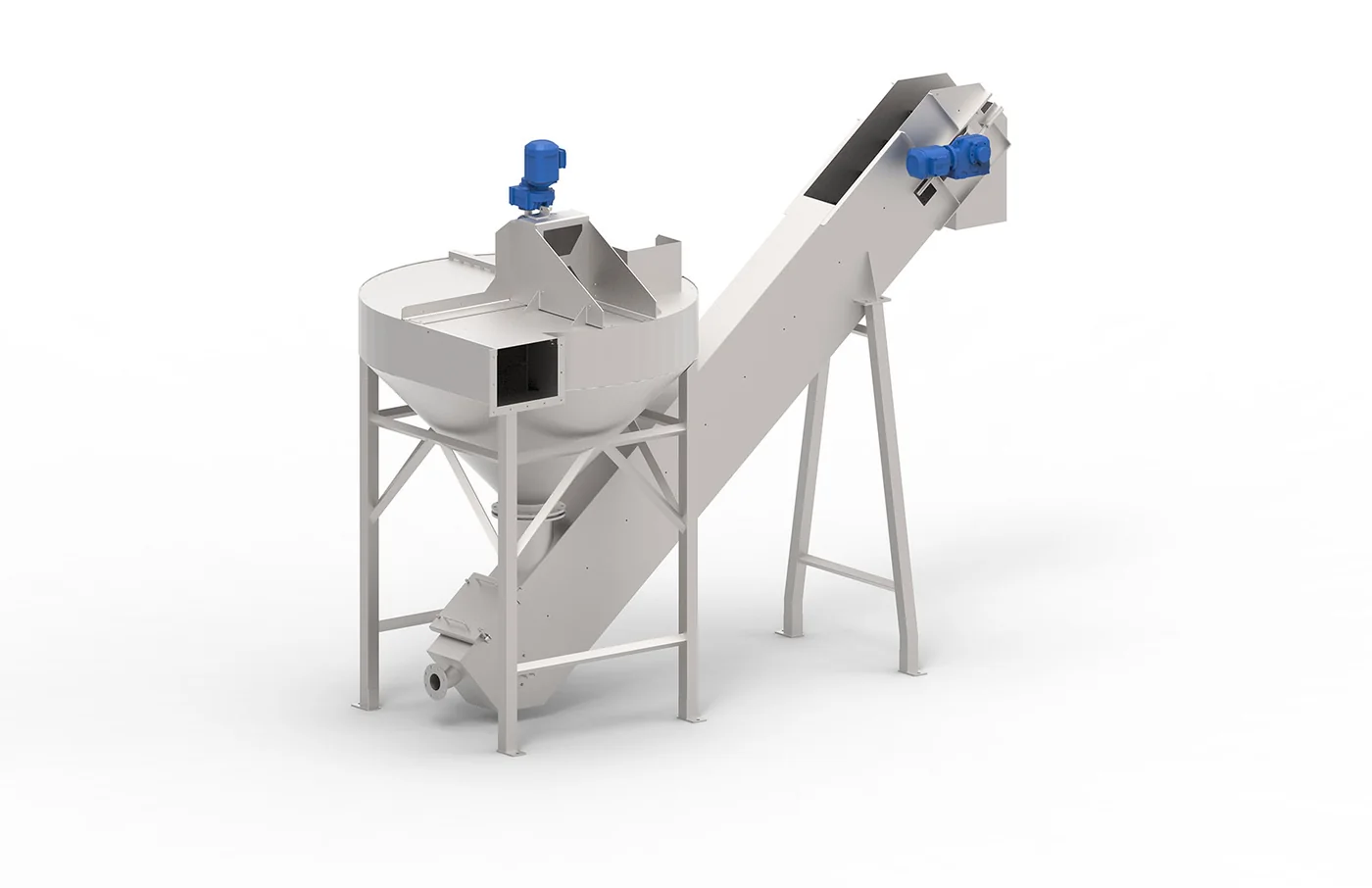
Destoning
Stones and clods out before they reach the peeler or pump.
02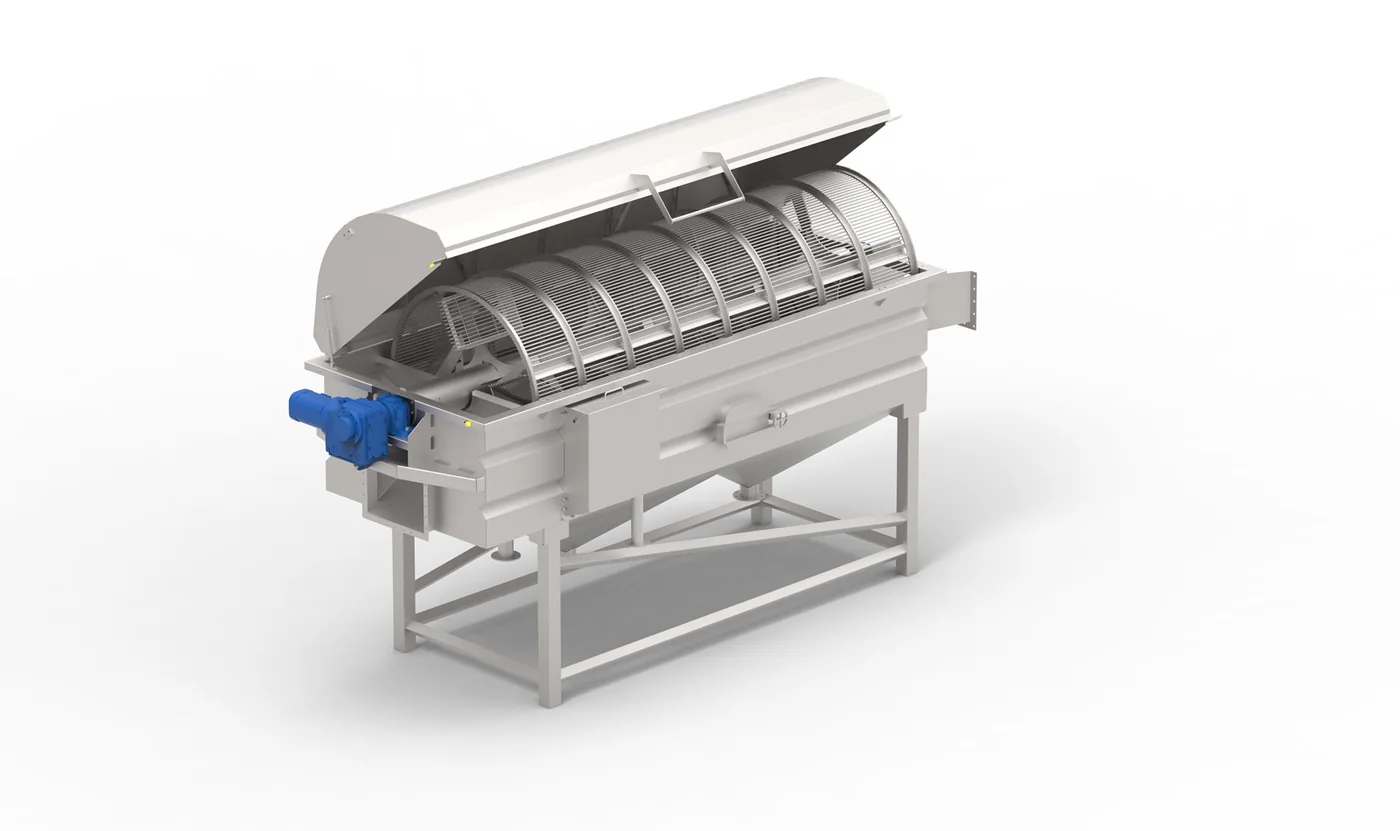
Washing
Immersion bath, spray section or a combination – depending on soiling and water volume.
03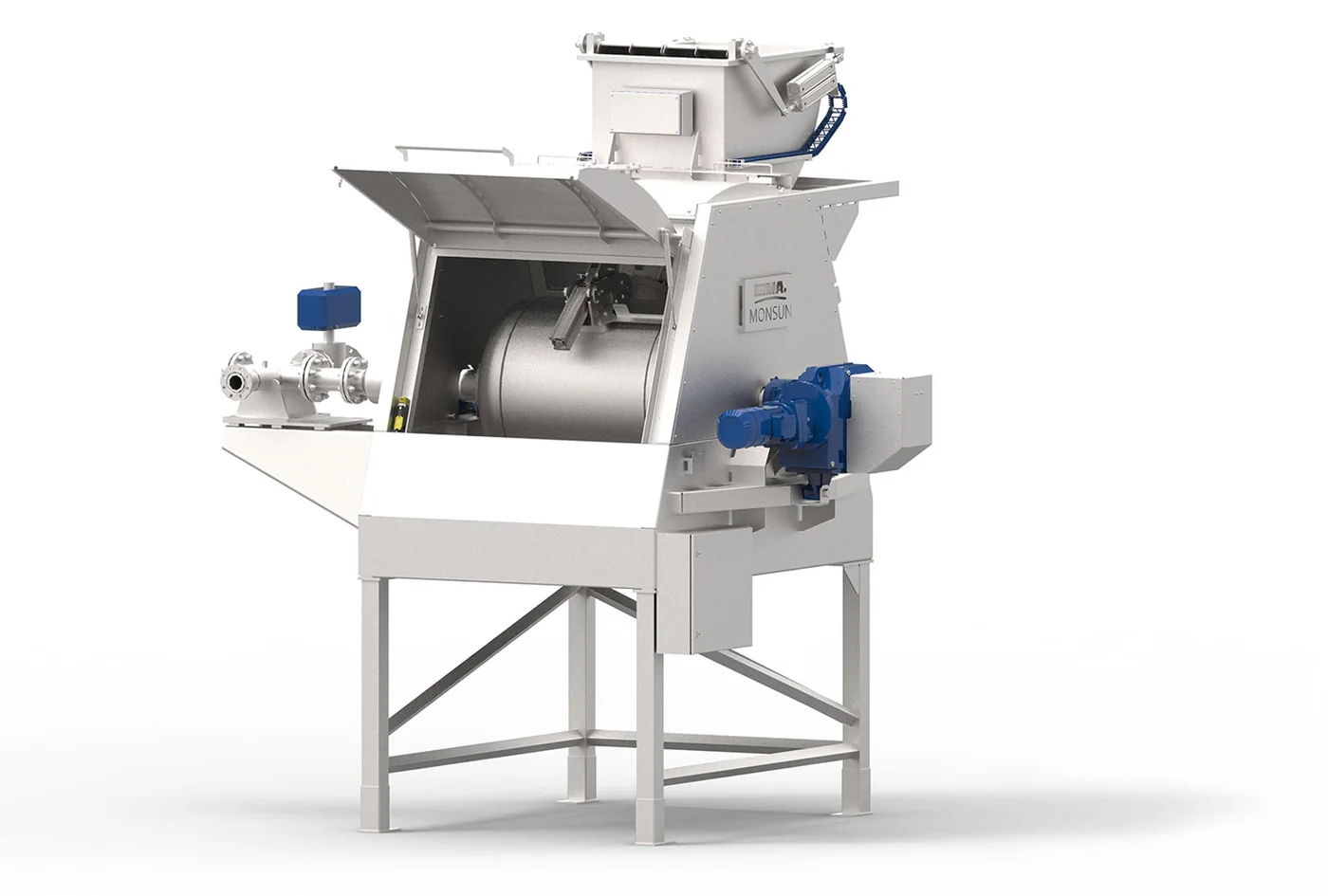
Peeling
Steam, roller, batch, brush or centrifuge – depending on the peeling loss target.
04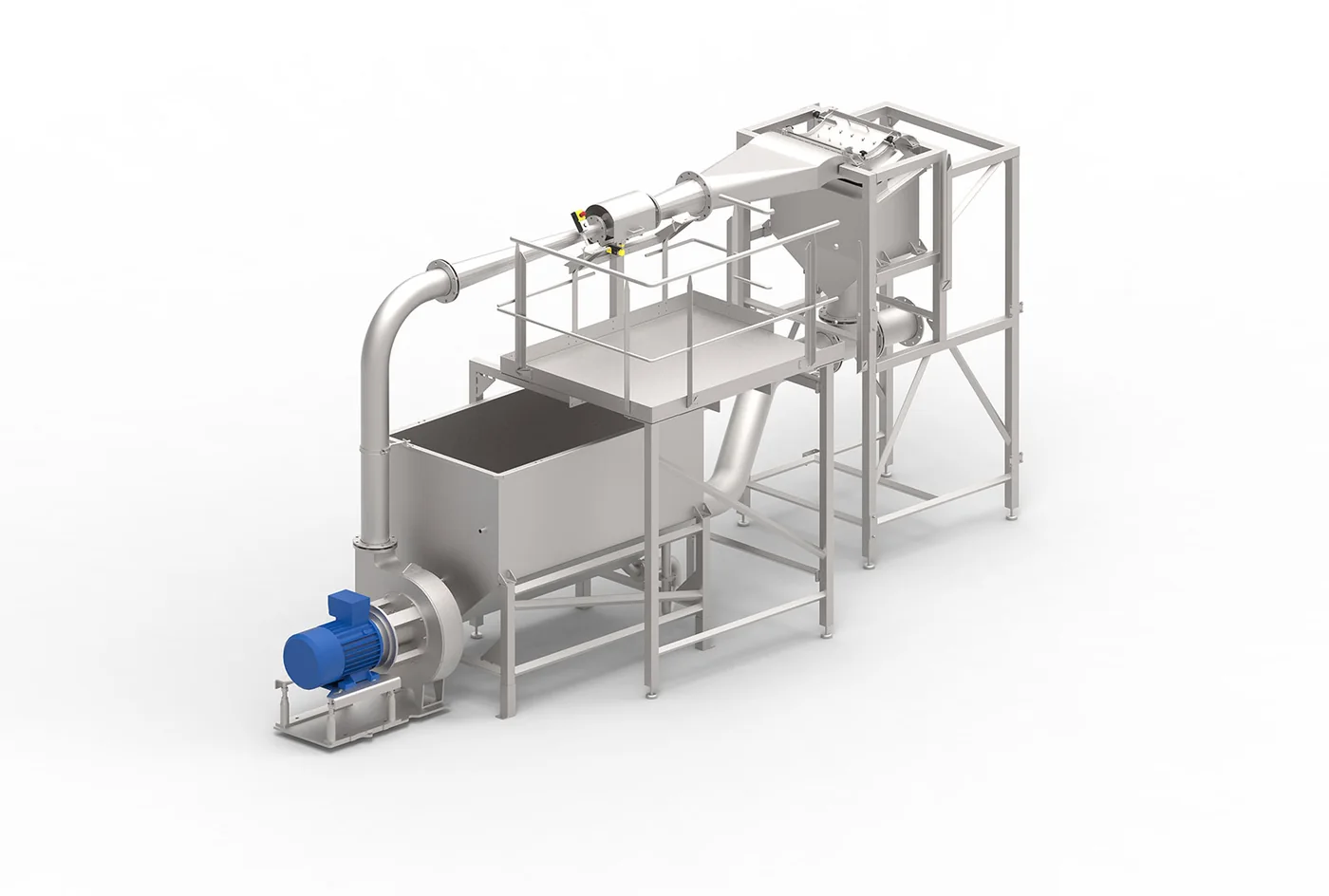
Cutting
Hydro cutting, halving, quartering – precisely to your cut geometry.
05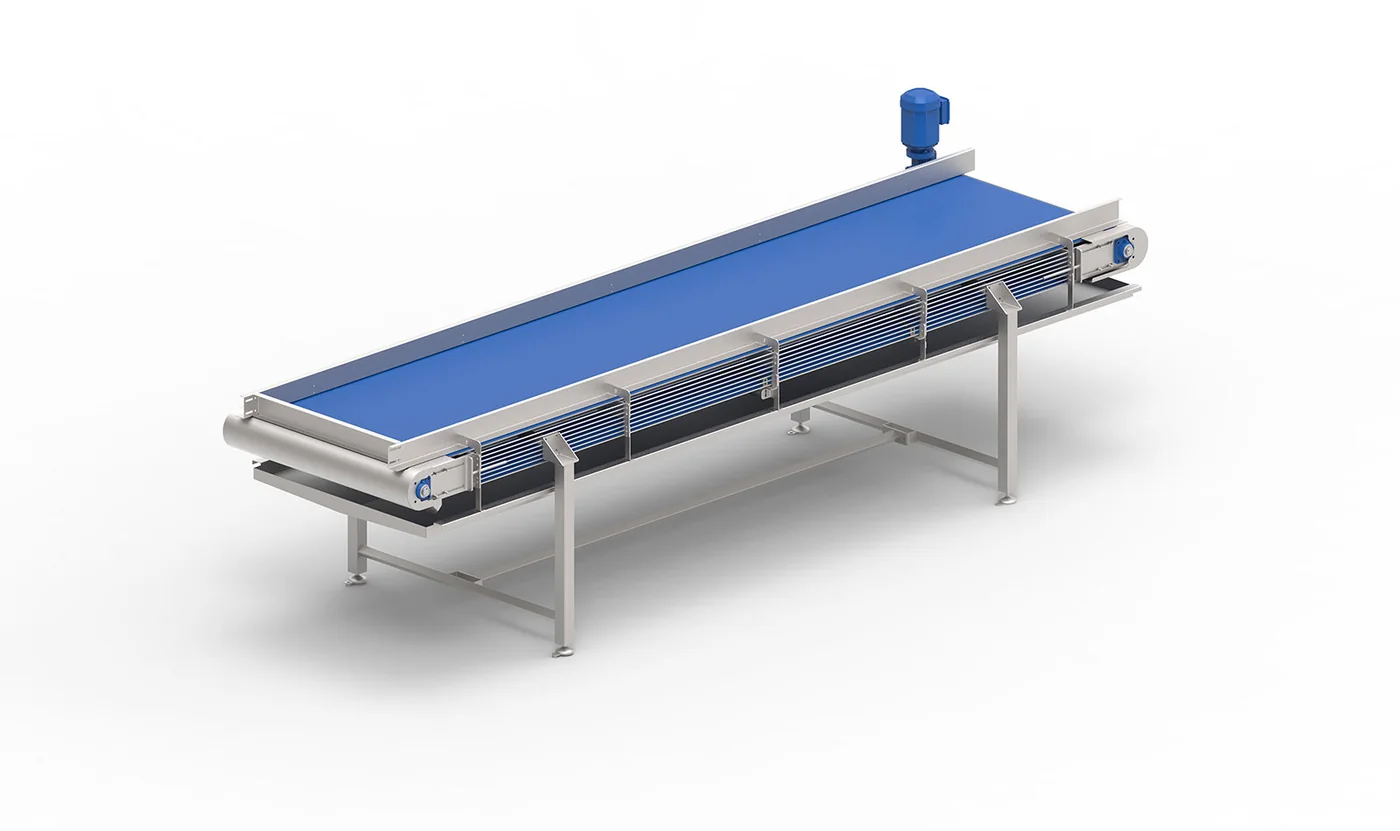
Inspection
Visual inspection and manual sorting at ergonomically designed tables.
06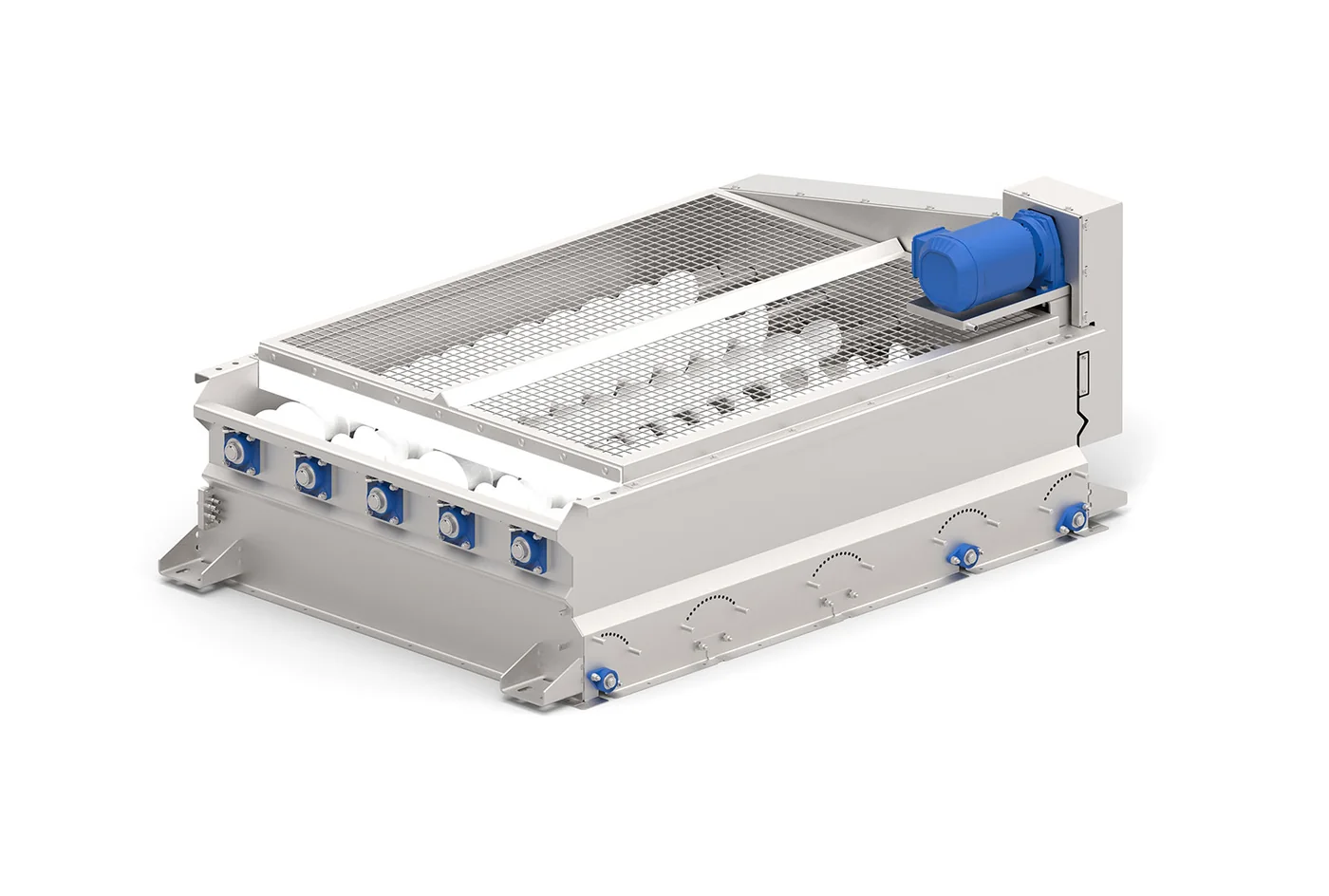
Grading
Size grading via longitudinal rollers, infinitely adjustable.
07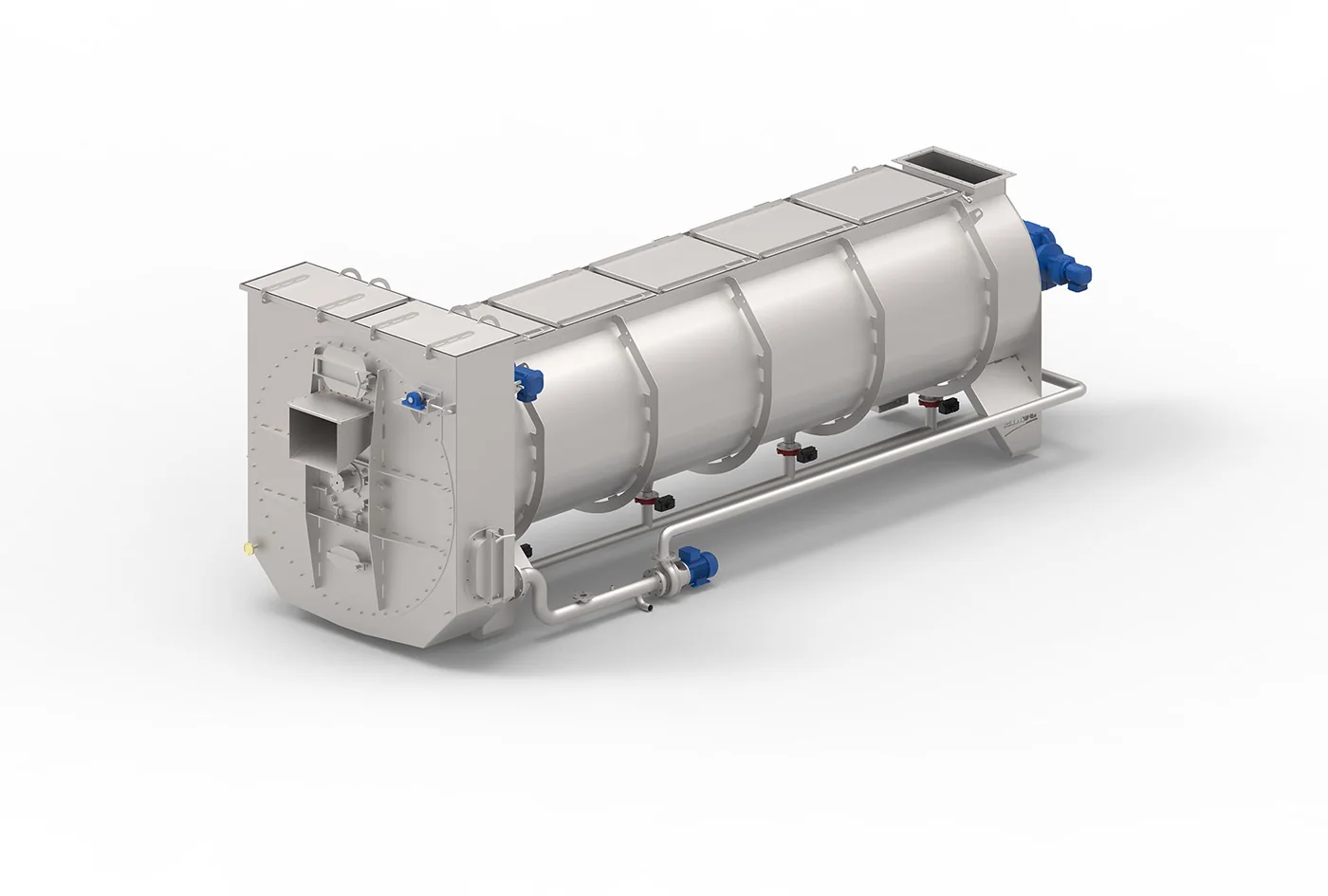
Blanching
Horizontal, screw or drum – for consistent blanching quality.
08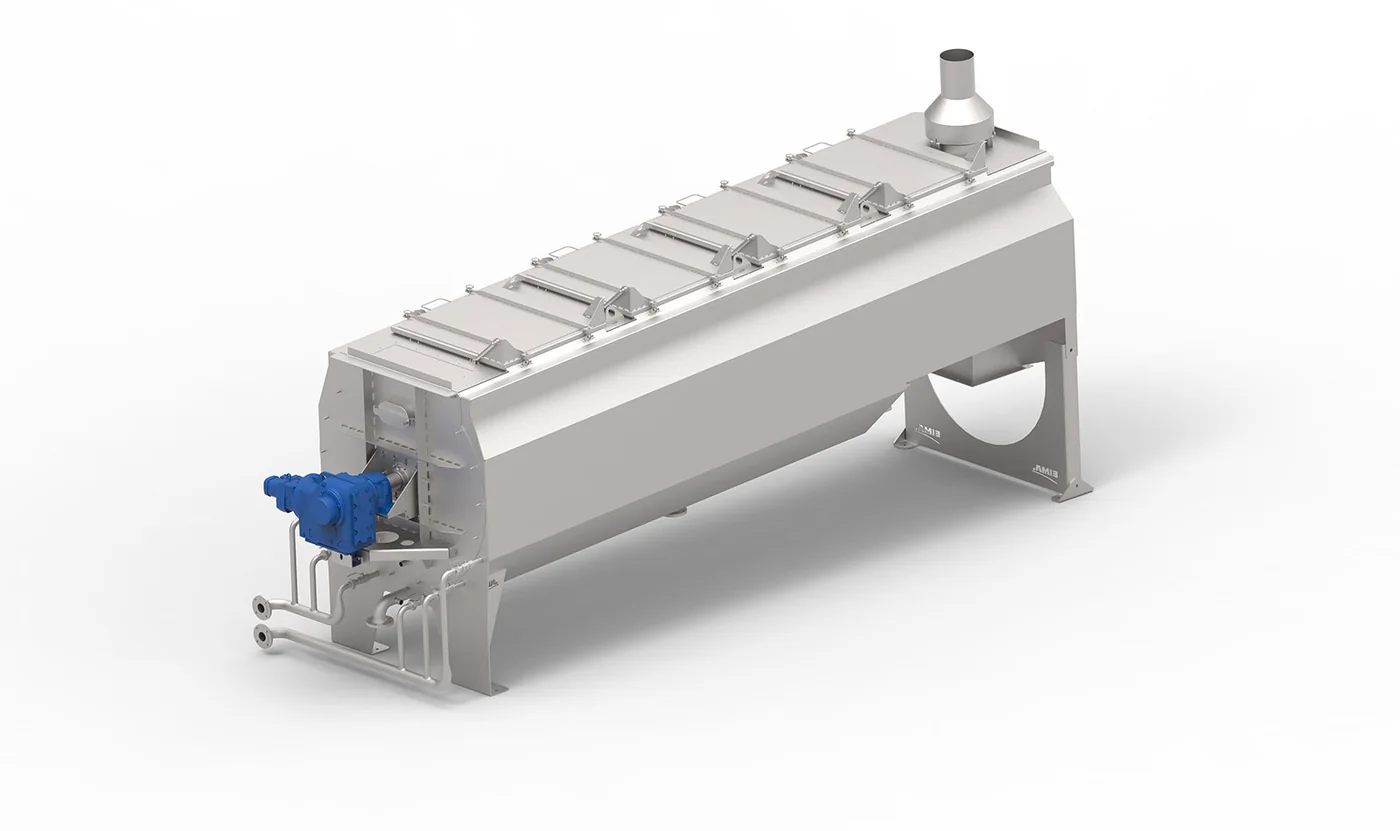
Cooking
Steam cooker for peeled potatoes and slices.
09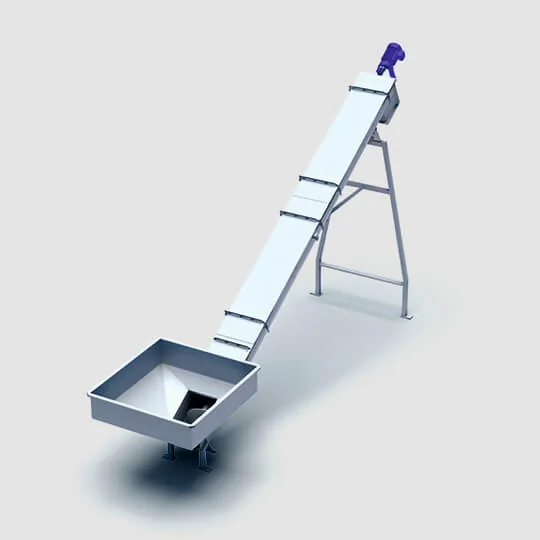
Cooling
Cooling screw conveyor: temperature control and transport in one step.
10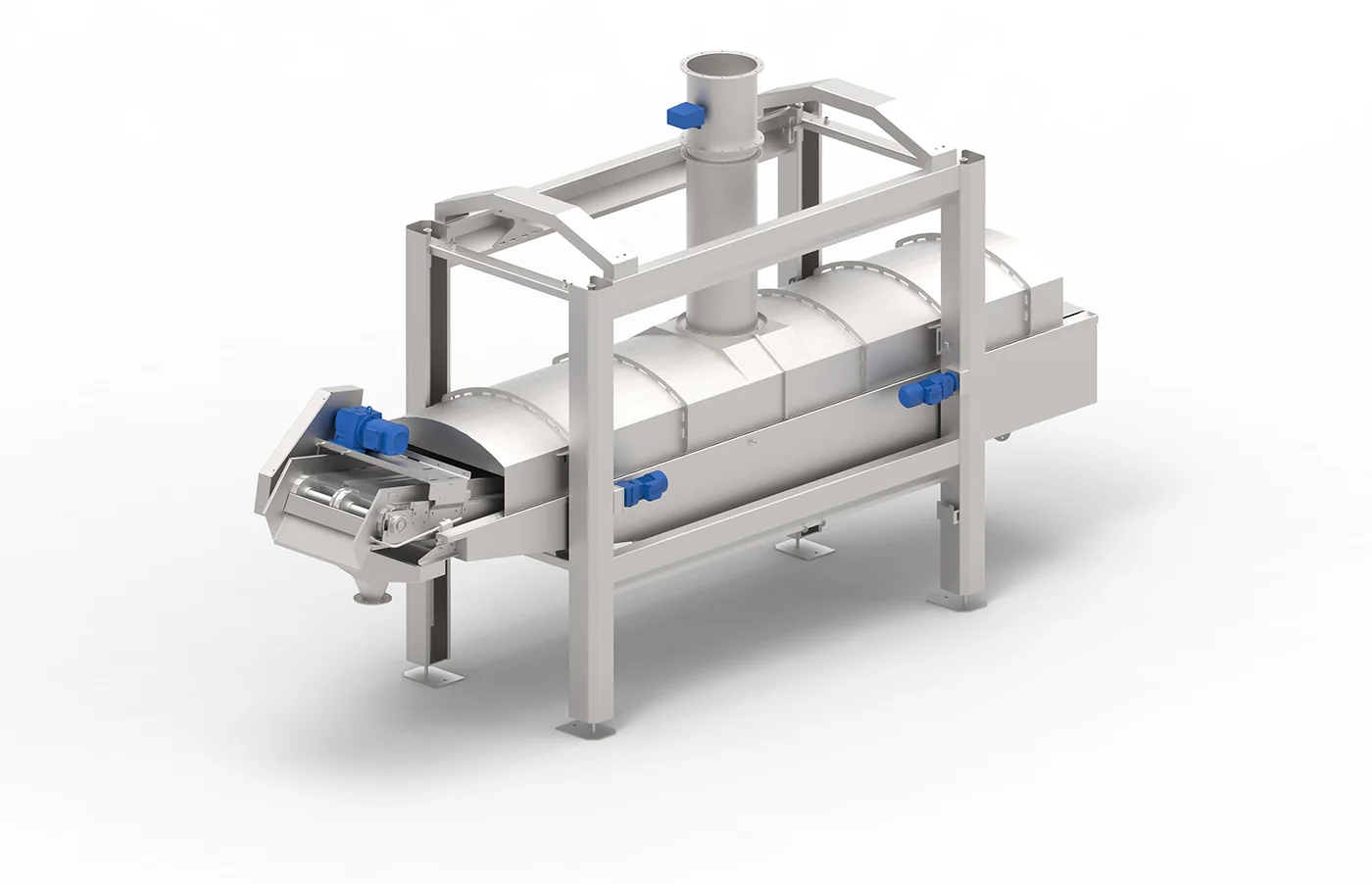
Frying
Fryer with oil filter system that reduces fresh oil consumption.
11
Size reduction
Trimmings and offcuts back into value creation.
12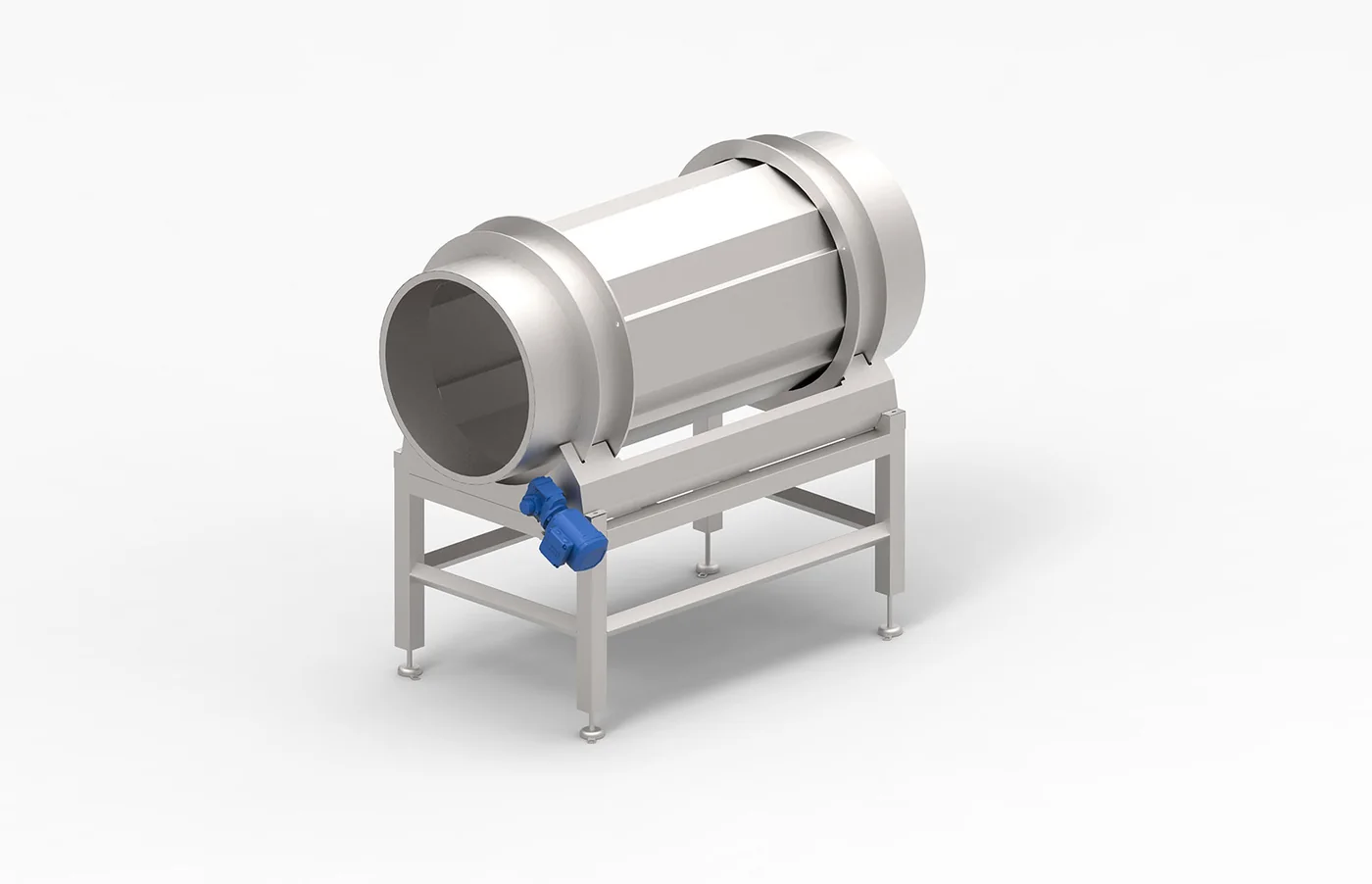
Mixing
Seasoning drum, salad and horizontal mixers.
13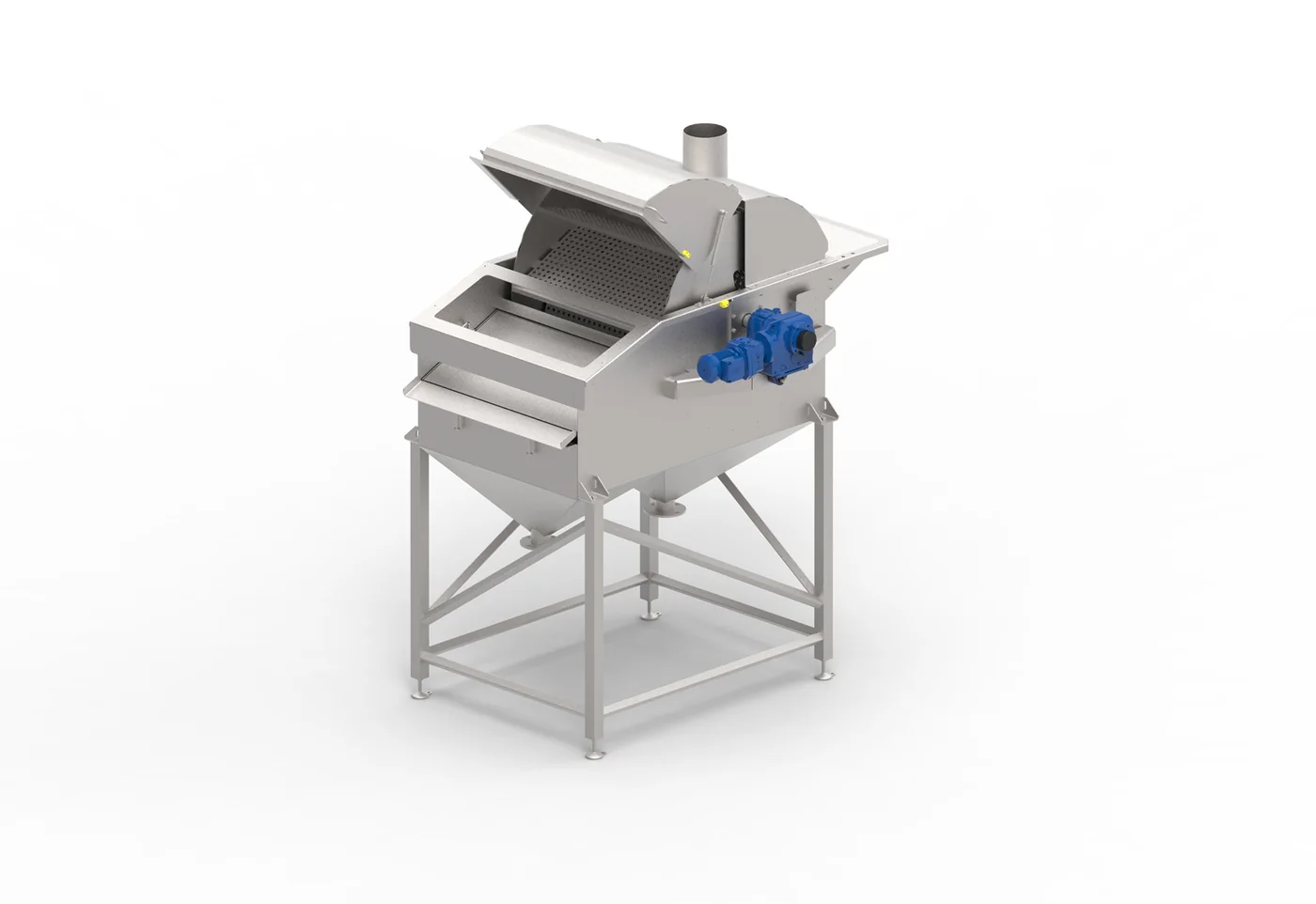
Sterilising
Sterilisation bath and screw for longer shelf life.
14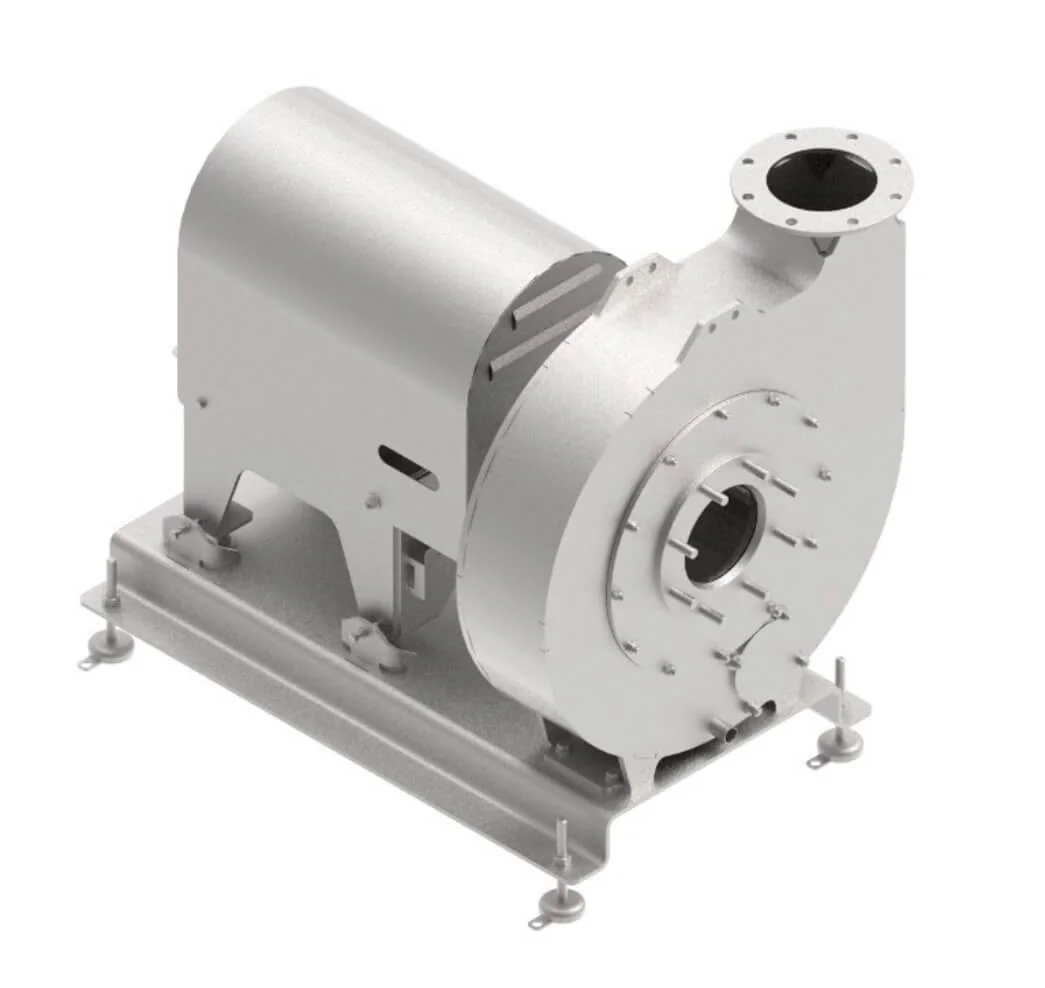
Centrifugal pumps
Centrifugal pumps with large free passage, for solids up to 210 mm.
Swipe right to see all fourteen processesUse the arrows to browse all fourteen processes
What we take on
Six disciplines. One point of contact.
In the first meeting you sit down with the engineers who will go on to design your plant. Sales sits beside them, not in front of them.
 01 / Engineering
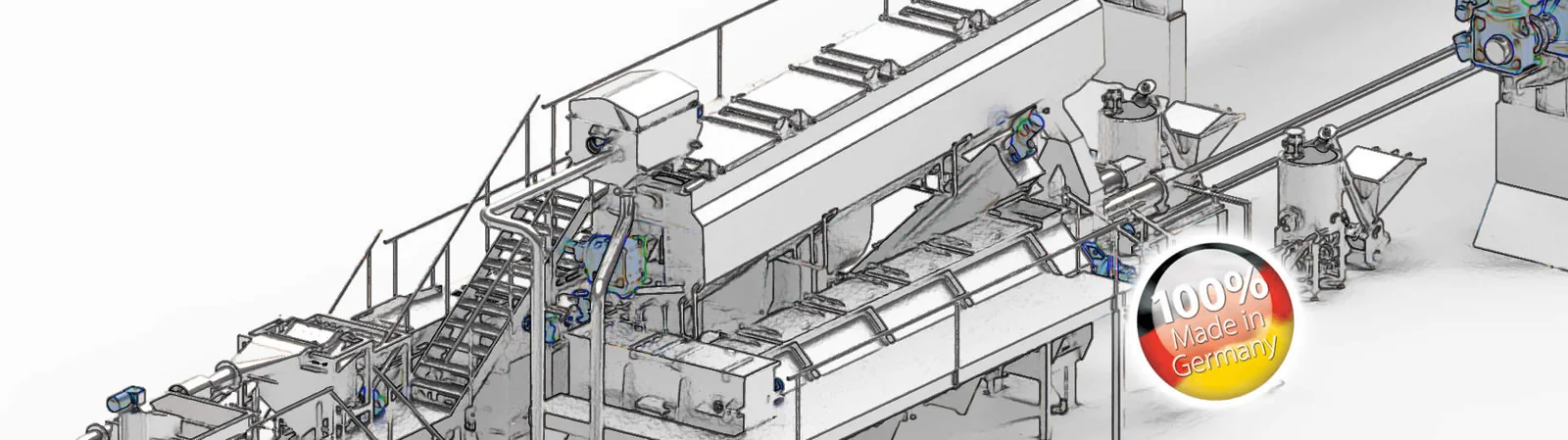
Plant engineering in 3D
Process engineering, feasibility and a 3D CAD model. You see your complete plant before the first chip is cut.
View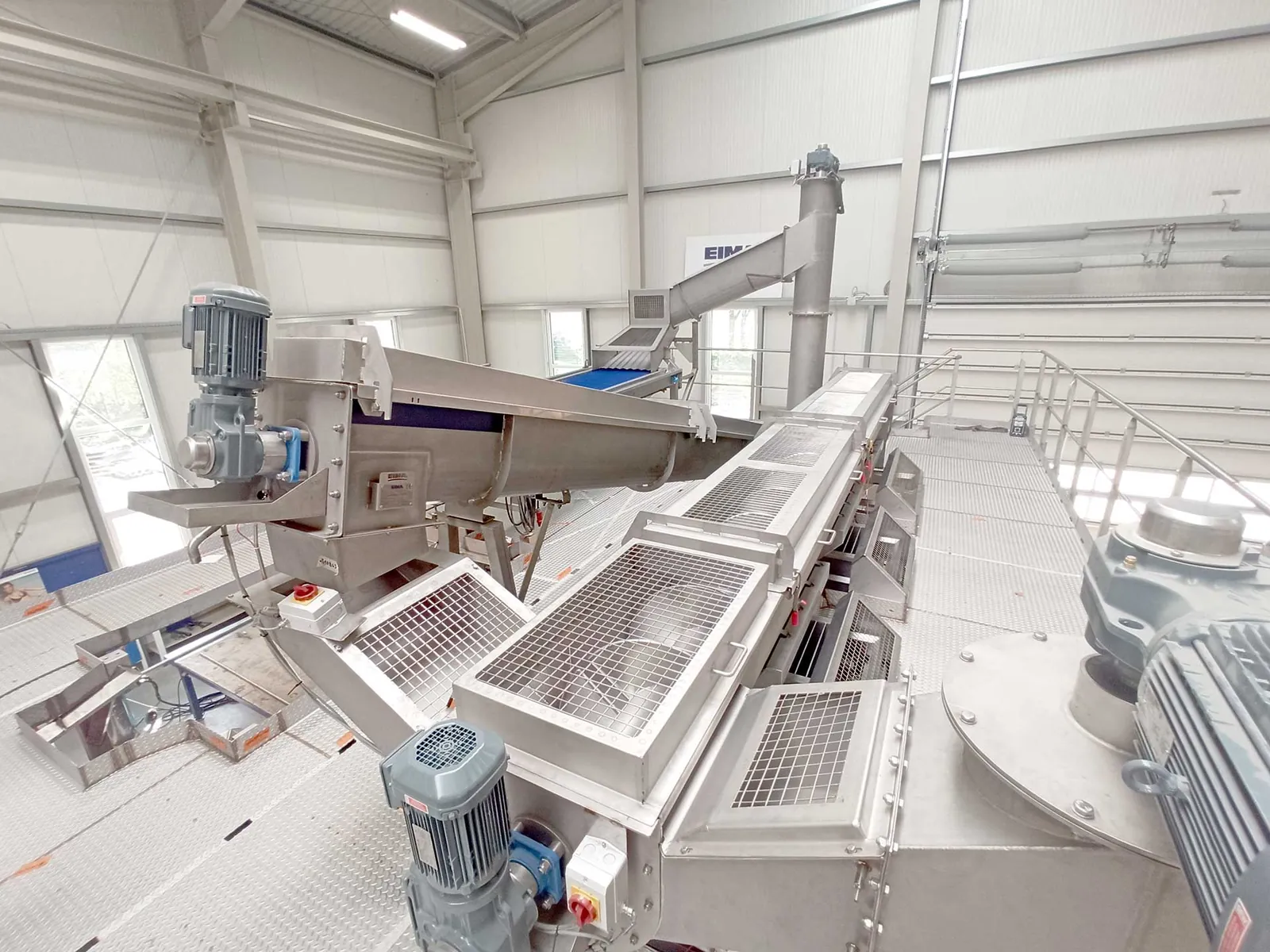 02 / Lines
Production lines
Six turnkey architectures, from the peeling line to the 60 t/h French fries line.
View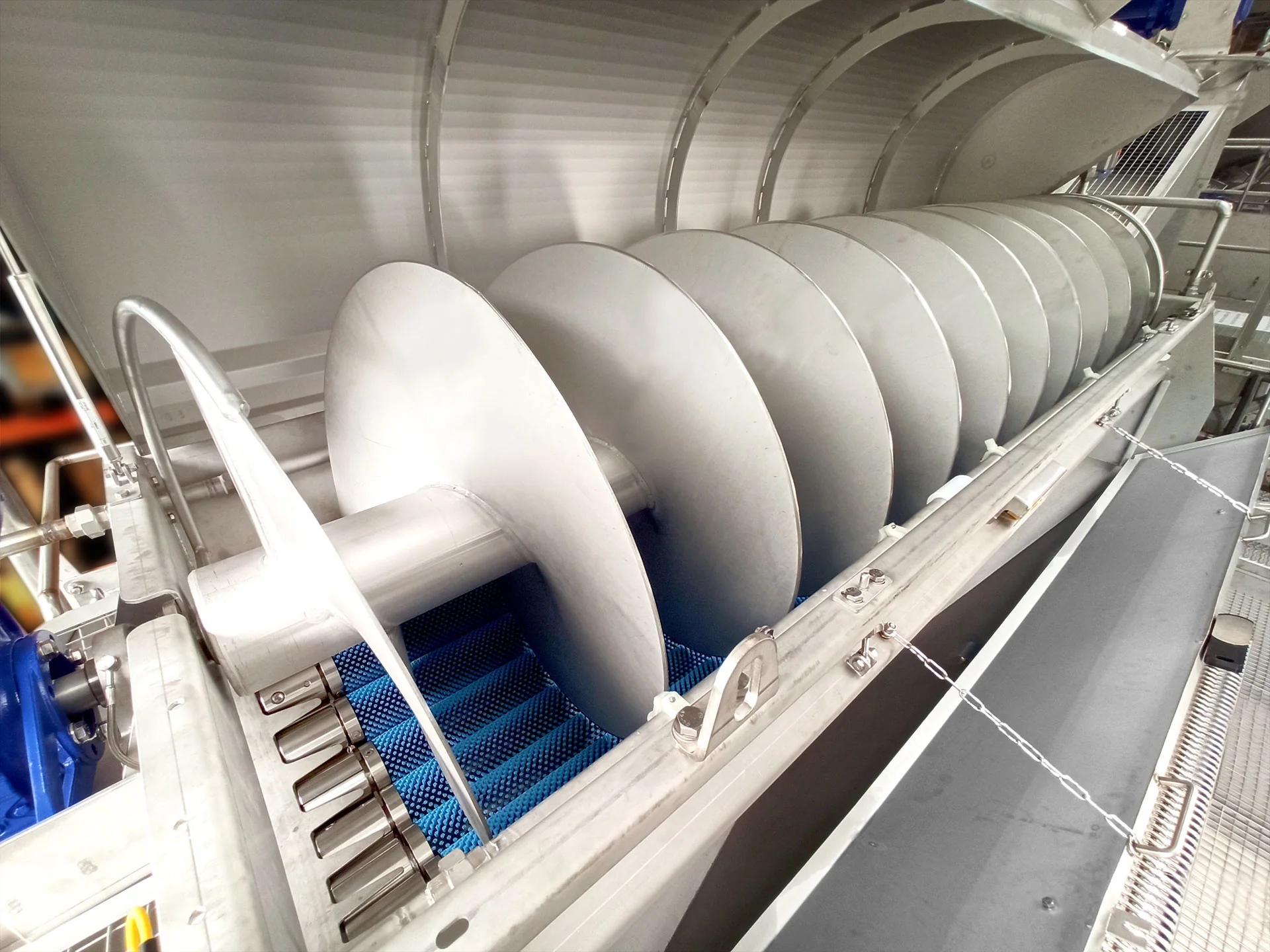 03 / Machines
Individual process steps
Fourteen steps from destoning to pumping, supplied individually or as a module in your line.
View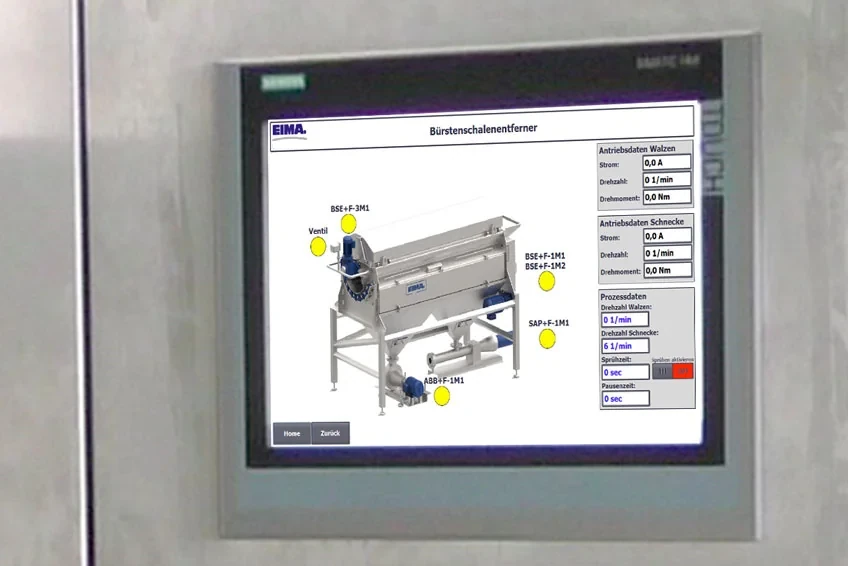 04 / Controls
Automation technology
Siemens S7-1200 and S7-1500, project-specific visualisation, remote maintenance without a site visit.
View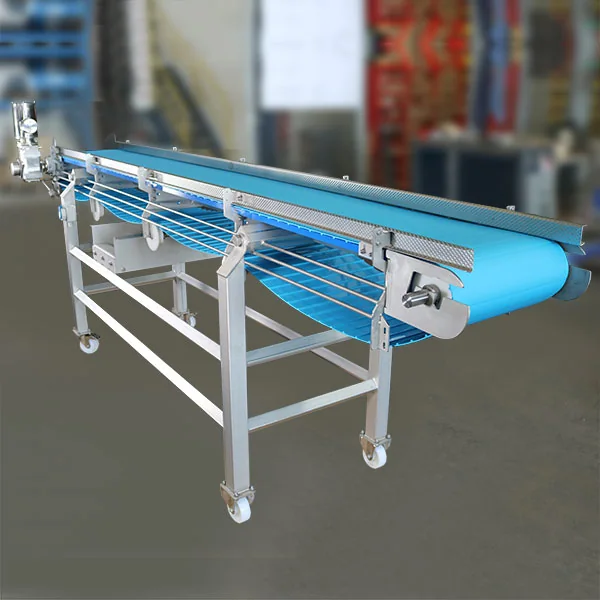 05 / Material flow
Conveying technology
Conveyor belts, screw conveyors, vibratory conveyors and screw shafts up to 3,000 mm in diameter.
View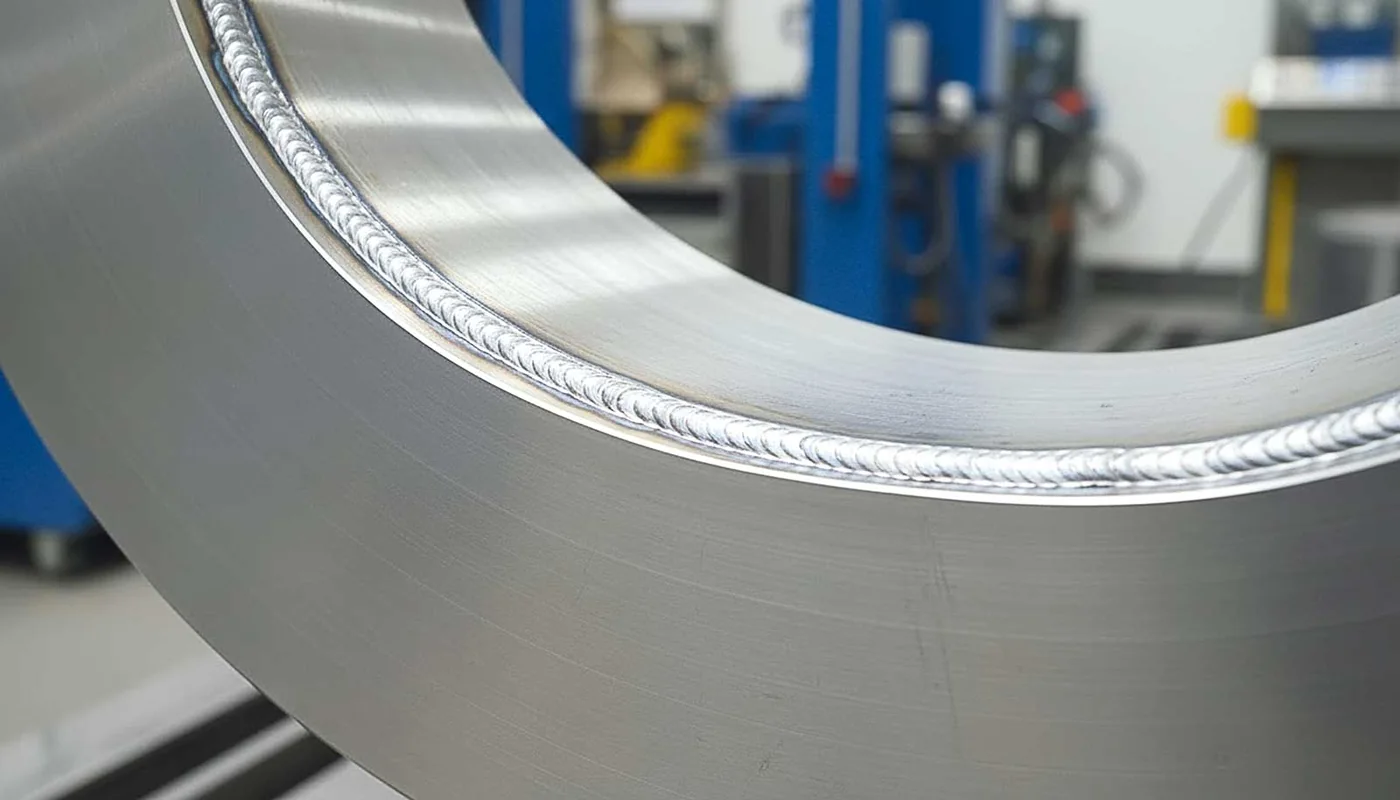 06 / Supply
Fabricated assemblies
Mechanical and function-tested assemblies, ready to install and fully documented, from a single source.
ViewPlanning certainty
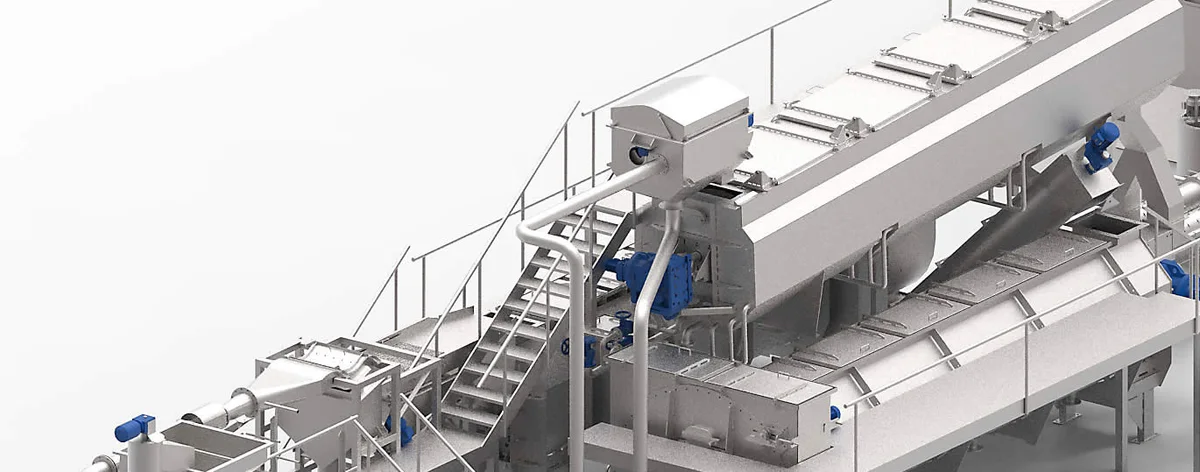
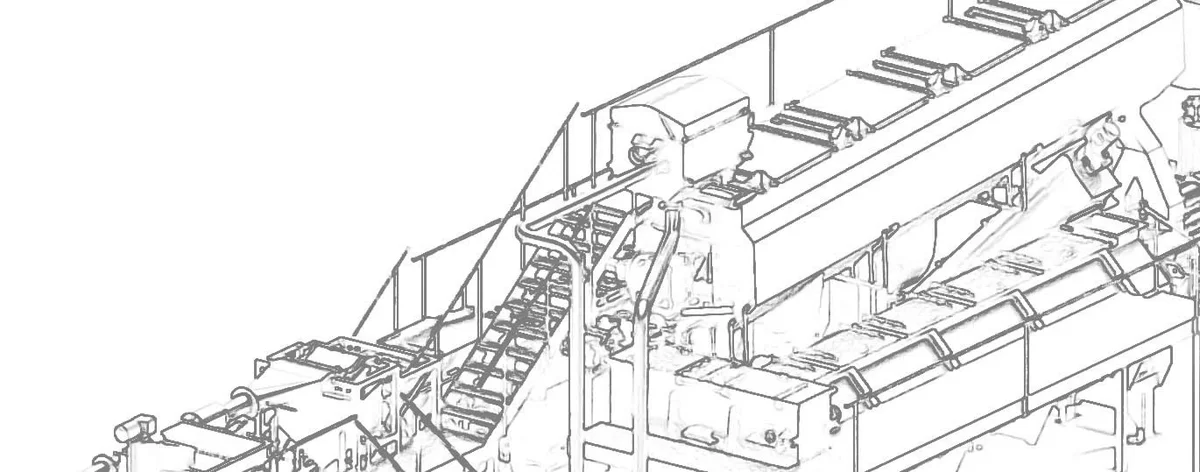
You see your plant before we build it.
Every line is created as a complete 3D solid model. Footprint, heights, connection points and transfer points are fixed before fabrication starts.
We are not the only ones who work with it. Your own engineers and your building planner receive a model they can use for their internal calculations – floor loads, utilities, access routes. Equipment from our partners for ventilation, freezing and conveying is integrated as early as the planning phase.
How a project runs
Plant engineering is a matter of trust. That is why the process is transparent.
From the start you know what happens, when it happens and what it costs.
Initial consultation
You describe your product, target capacity and site conditions. By phone, by email or in person with us in Bad Zwischenahn. Free of charge and without obligation.
3D planning and quotation
Our engineers design the process and model the plant. You see the full scope before anything is fabricated.
Fabrication and controls
Mechanical work and control cabinets are built in-house, including PLC programming and visualisation. In our own plant.
Commissioning and service
We install turnkey and only hand over once your product is right. After that we are available via remote maintenance, without a site visit.
Vertical integration
For us, Made in Germany is an address, not a label.
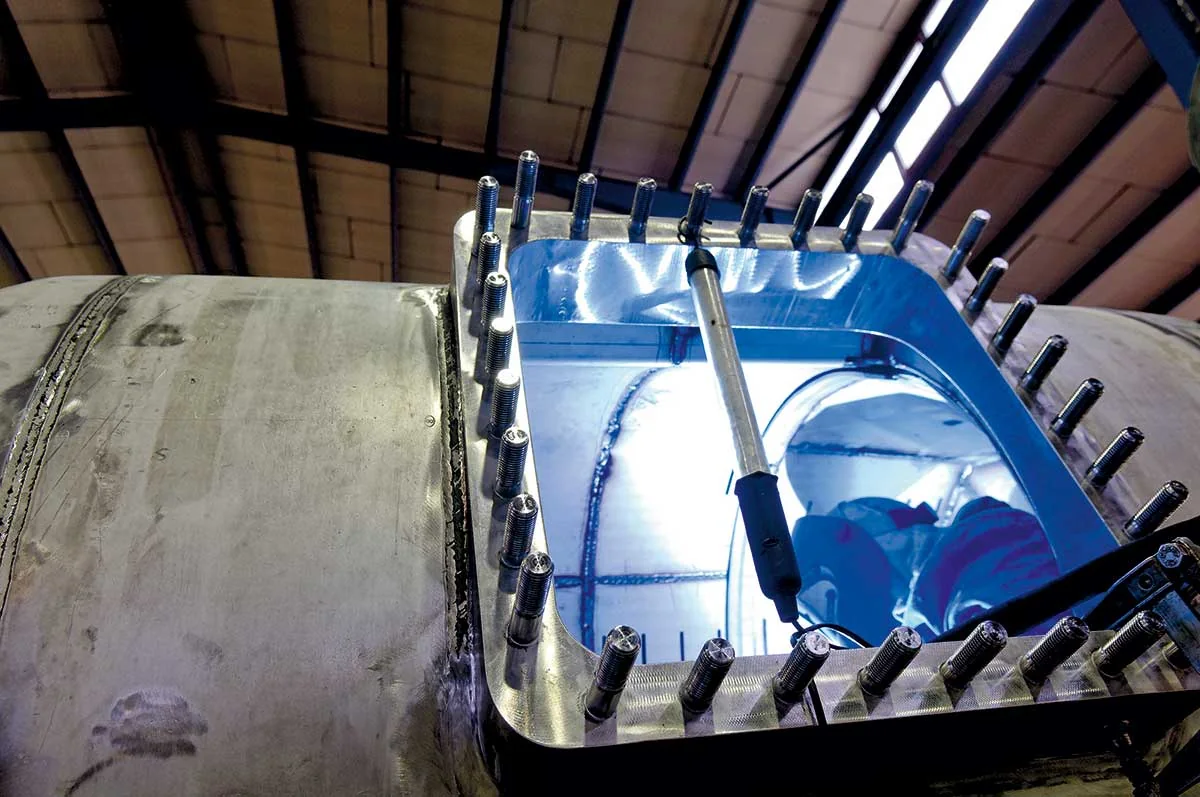
Design, machining, welding, assembly and control cabinet construction all take place in our plant in Bad Zwischenahn.
Modern chassis construction, high-grade components and consistent build quality are the cornerstones that keep your plant running economically in its tenth year too. That is what the engineers and skilled workers who design, develop and build it stand for.
Raw product
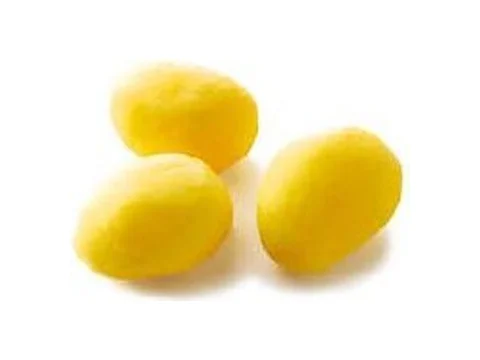
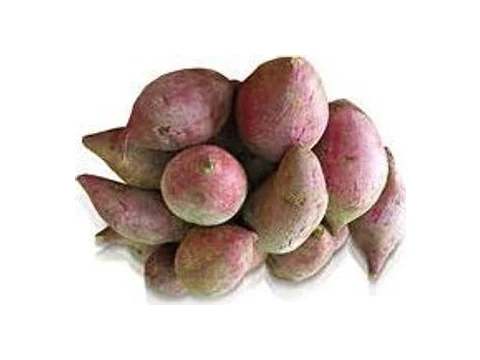
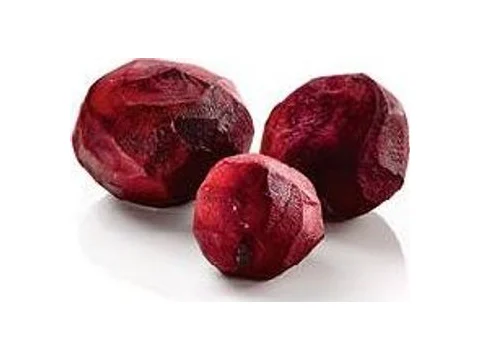
Not just potatoes.
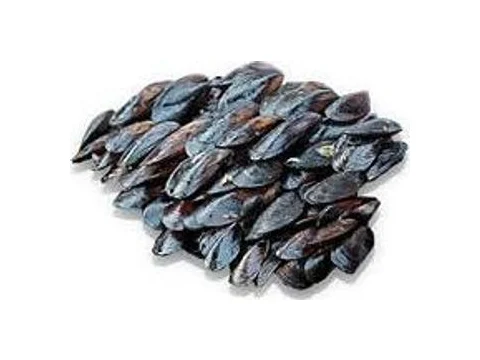
Beetroot, carrots, celeriac, pumpkin, peas and even mussels: whatever can be washed, peeled, cut and conveyed runs through our machines.
Careers
Metalwork you can put your hands on.
An apprenticeship as a metalworker, a dual study programme in mechanical engineering or a start as a skilled worker: with us you build plants that go on to process potatoes all over the world.
Permanent contract, 30 days of holiday, holiday and Christmas bonus, e-bike leasing, Hansefit fitness membership. And a company where everyone knows everyone.
Before you call
Questions that come up in the first meeting anyway.
Here they are, already answered – including the points where we advise against.
Our smallest line architecture starts at 150 kg/h of finished product (snack pellets), the peeling lines at 500 kg/h. Below that, a single machine is usually the more economical decision.
The real calculation is not about capacity but about utilisation: a line running two shifts pays for itself differently from one that stands idle half the day. In the initial consultation we work this out with your figures, free of charge and without obligation.
Yes, that is the core of our planning approach. The head of every line – washer, destoner, peeler – is generously sized from the outset, so that later expansion stages only add to it instead of replacing it.
For the potato flakes line, this path leads from 350 kg/h to a dual line with four drum dryers and 3,600 kg/h. For French fries, from 500 kg/h to 60 t/h of raw product. The additional investment at the start is small; it pays for itself with the first expansion step.
Yes. We connect new EIMA modules to existing control systems instead of selling a complete rebuild.
In the control cabinet we use Siemens components (S7-1200, S7-1500, ET200), which communicate with your existing plant via various protocols. That is why, before we quote, we ask about transfer heights, cycle times and your control system’s protocol – not just about capacity.
A complete 3D solid model of your plant. Footprint, heights, connection points and transfer points are fixed in it before the first chip is cut.
Your own engineers and your building planner can continue working with this model – for structural design of the hall, utility routing and access routes. Equipment from our partners for ventilation, freezing and conveying is integrated at this stage.
No. Potatoes are the largest application, but the machines run just as well with beetroot, carrots, celeriac and pumpkin.
The centrifugal pumps also convey peas and mussels – with solids up to 210 mm on the KP 250. Whether your raw product is suitable is something we clarify on the basis of size grade, firmness and degree of soiling.
The same people who built it. Spare parts come from our own production and are still available after fifteen years.
On request, we install a remote maintenance solution in the control cabinet: modifications, troubleshooting and software maintenance can then be carried out without a programmer having to travel. And handover only takes place once your product comes off the line in the required quality.
Next step
Let's talk about your plant.
Tell us your product and target capacity. You get a reliable assessment from engineers – not the standard reply to a sales form.
Quick enquiry to SalesLeave your details and our Technical Sales team will get back to you.
 Technical Sales
Quick enquiry